E-sports ku88 and the KU88m Boom—Competitive Play Redefined

If you’ve been tracking the momentum of online competitive gaming, you’ve probably seen the name E-sports ku88 popping up everywhere—from community chats to match-day discussions. In this guide, we’ll explore E-sports ku88 alongside https://ku88m.com/, and what makes the KU88 ecosystem feel designed for modern esports fans rather than traditional bettors who simply “watch and hope.”
The Rise of Esports: Exploring the KU88 Platform
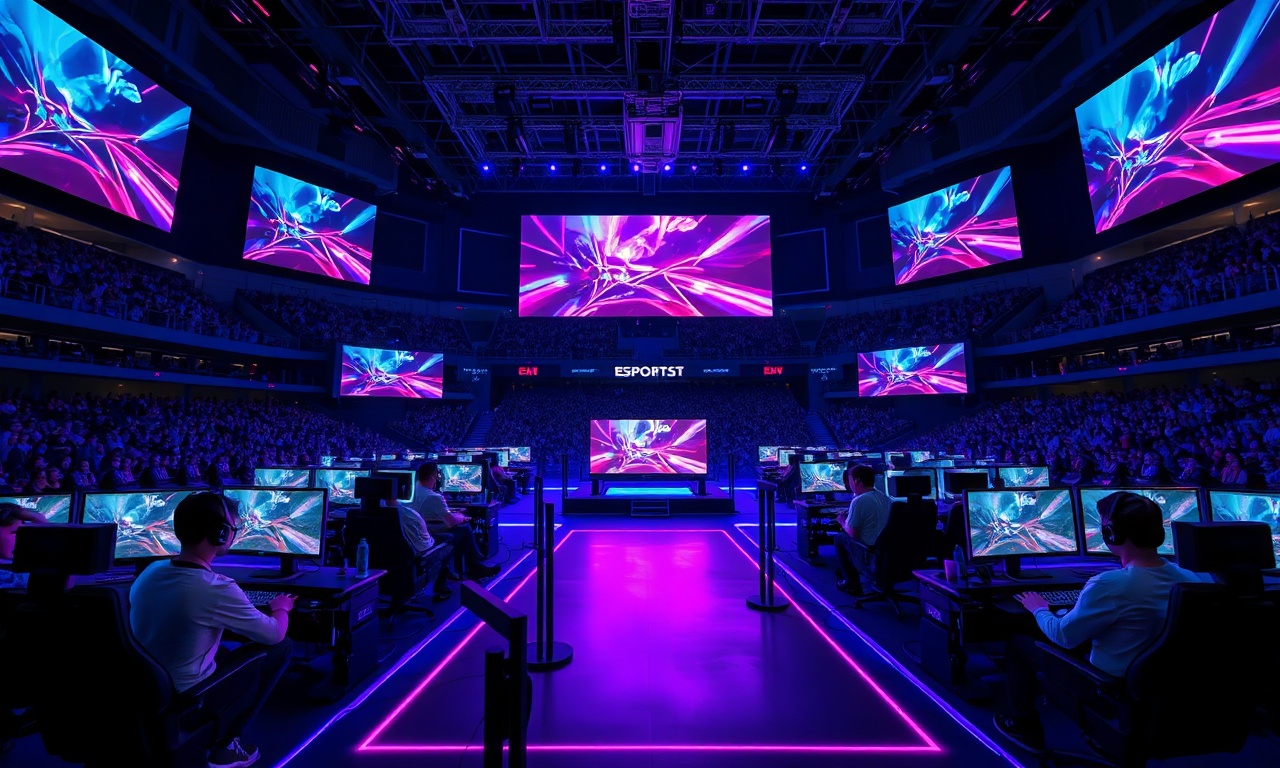
Esports didn’t just grow—it accelerated. What began as niche tournament streams has evolved into a full entertainment ecosystem with professional athletes, massive sponsor budgets, and global viewership that rivals mainstream sports. Over the past few years, I’ve noticed something important in the way fans behave: people want more than highlights. They want engagement—timely insights, a sense of involvement, and tools that help them feel closer to the competition. That’s where a platform ecosystem like E-sports ku88 becomes relevant, because it aligns with how viewers increasingly participate, not just observe.
When I first started paying closer attention to platforms tied to esports, I expected them to feel like repackaged odds pages. But the KU88 approach—especially as reflected in https://ku88m.com/—feels like it understands esports as a living environment. Teams evolve, metas shift, and game patches can flip entire strategies. Instead of treating matches as static events, the best platforms help users follow the flow of competition. That makes the rise of esports more than a cultural shift; it becomes a real-time decision space, and KU88 positions itself inside that mindset.
KU88.com: Your Gateway to the Evolving Esports Landscape
A “gateway” is only useful if it reduces friction. In esports, friction can mean anything from unclear navigation to a lack of match context. KU88.com (and the broader KU88 experience) stands out to many users because it aims to bring esports engagement into a single accessible place. Instead of forcing fans to jump between multiple sites—streams here, news there, odds somewhere else—there’s a sense that the KU88 ecosystem tries to centralize the journey. For someone like me who likes to move quickly during matchdays, that matters.
The evolving esports landscape also means that audience expectations keep rising. Fans now want specificity: the right game modes, the right tournament stage, the right timing. When you access E-sports ku88 through https://ku88m.com/, it signals that the platform is adapting to mobile-first behaviors too. That’s not just convenience—it’s strategy. Many people don’t follow esports from a desktop at 7 PM sharp; they check updates on the go, watch live moments, and want options that fit their schedule. In that sense, KU88 doesn’t just provide access to esports—it provides a pattern for how modern fans actually interact with games.
A Deep Dive into KU88’s Esports Offerings and Features
Let’s get specific. Esports engagement isn’t one-size-fits-all. Some players care most about competitive outcomes, others focus on match narratives, and many want to track performance trends. From what users typically seek, KU88’s esports offerings appear structured around multiple layers of interest: the match itself, the surrounding context, and the ability to act without drowning in complexity. For me, the biggest advantage of platforms in this category is how they can reduce “time-to-understanding”—the period between learning about a match and feeling confident enough to engage.
What makes a feature set feel “esports-native” is whether it respects the rhythm of competition. Esports matches often hinge on momentum, drafting, and short time windows where decisions compound. That’s why I appreciate platforms that support quick navigation and an esports-focused layout. If E-sports ku88 is the brand idea, then KU88’s underlying value becomes practical: helping fans and bettors translate information into action faster, while still encouraging informed choices rather than blind chasing. If you explore https://ku88m.com/, you’ll likely notice that the experience is shaped around esports as a dynamic event—not an afterthought.
The Future of Competitive Gaming: Insights from KU88m.com
The future of competitive gaming will be built on three things: personalization, real-time intelligence, and community-driven experiences. Personalization means the content and events you see adapt to your interests. Real-time intelligence means you’re not just reacting—you’re tracking signals. Community-driven experiences mean fans influence what becomes visible, what becomes trending, and how narratives spread. When looking at https://ku88m.com/ as a forward-looking product, I interpret the direction as an attempt to stay aligned with those three pillars.
One insight I keep returning to is this: esports isn’t only about who’s best—it’s also about who’s ready. Being ready can mean knowing current patch impacts, understanding roster changes, and recognizing when a team’s style is being forced into an uncomfortable matchup. As platforms evolve, the best ones will help users interpret “readiness” more effectively. That could include clearer match context, better categorization of esports events, and smoother experiences that encourage learning. In my view, the key difference between casual engagement and serious esports participation is feedback. You want a system that helps you refine your thinking each time you engage.
Understanding the KU88 Ecosystem: Beyond Traditional Betting
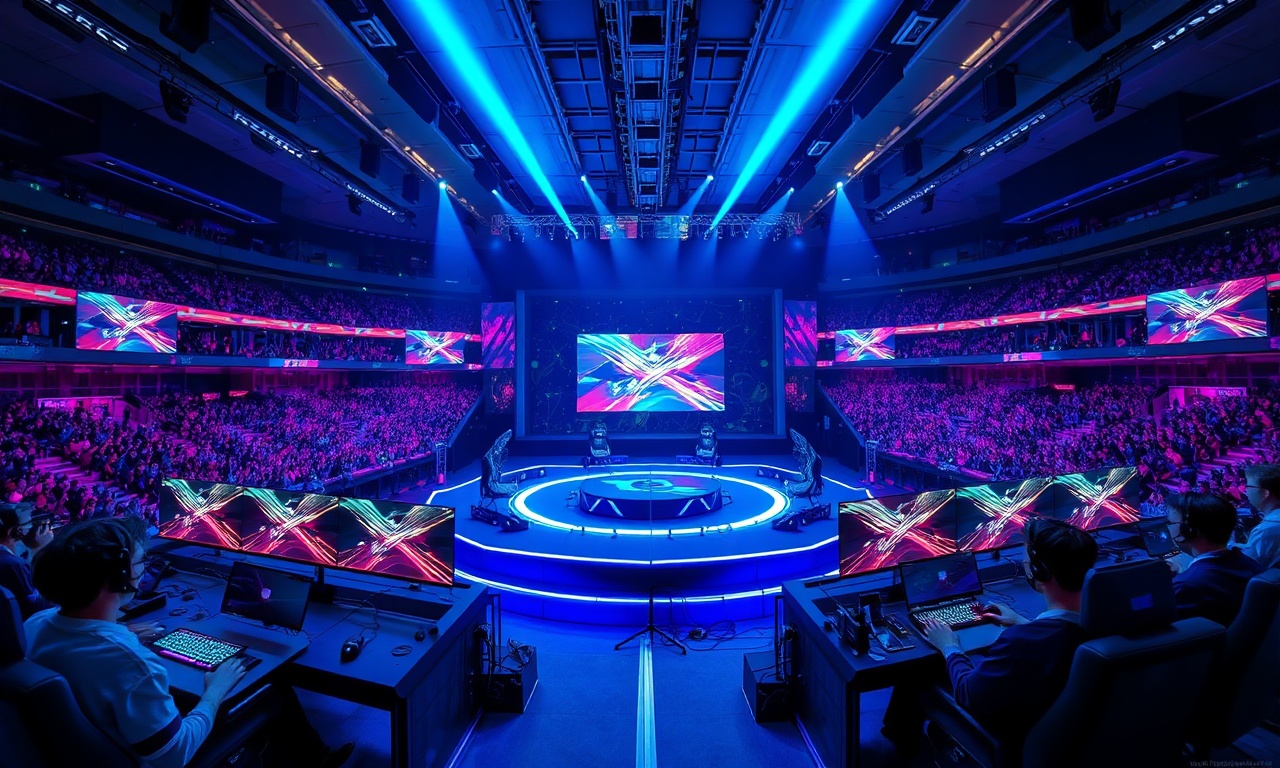
When people hear the word “betting,” they sometimes assume the experience is purely transactional. But in esports, the most interesting part is the process—watching how decisions evolve and comparing your understanding with the actual outcome. The KU88 ecosystem, at least as it’s commonly framed through E-sports ku88, often feels less like a casino mechanic and more like a sports engagement environment. That’s a subtle shift, but it’s meaningful. It changes the user journey from “place bet quickly” to “understand match conditions, then decide.”
To me, going beyond traditional betting also means recognizing esports as a knowledge-driven domain. Traditional sports betting can sometimes rely on stable statistics; esports is different because meta shifts and game mechanics can rewrite the “rules” from one season to the next. That’s why I like the idea that platforms such as https://ku88m.com/ encourage informed play rather than impulsive action. Instead of treating outcomes as random, serious users treat them as the end result of preparation, communication, and adaptability.
A broader ecosystem also suggests there may be more ways to stay involved than just match-day decisions—like tracking events, exploring competitive schedules, and learning the “why” behind team performance. In other words, the KU88 concept can be interpreted as a bridge between entertainment and strategy. And that bridge is where many esports fans want to live.
Strategic Engagement with E-sports: Leveraging KU88 for Informed Play
If you want to engage with esports strategically, you need more than hype—you need a framework. My personal approach is simple: I watch enough to understand the matchup shape, I check for relevant updates, and I only commit when I feel I understand what could realistically drive the outcome. That mindset pairs well with the type of structure you’d expect from a platform like E-sports ku88, especially when you access it through https://ku88m.com/.
Here’s how I think about leverage in esports engagement—whether you’re betting or just making informed decisions. First, leverage is about timing: being present when information is still fresh, when odds or context might reflect early insights. Second, leverage is about focus: narrowing your attention to what matters in the specific game or tournament stage. Third, leverage is about discipline: deciding what signals you trust (team form, map tendencies, player roles, draft patterns) and ignoring the rest. The best platforms won’t replace your judgment, but they can help you execute your judgment more efficiently.
I also want to highlight an important point: strategy should never erase responsibility. Esports can feel fast, exciting, and emotionally contagious—especially during close matches. Platforms can amplify that energy. So the real “informed play” part is maintaining control: setting limits, avoiding chase behavior, and remembering that uncertainty is part of competitive gaming. When I engage with E-sports ku88, I treat it as a tool within a broader discipline, not a shortcut to certainty. That way, even when results don’t go my way, I’m still building better decision habits.
Finally, strategic engagement can be fun. The more you learn, the more you notice patterns: coaching tendencies, adaptation mid-series, how teams respond to pressure, and whether their playstyle survives unfavorable matchups. Over time, that learning becomes a feedback loop. KU88’s role—through https://ku88m.com/—is ideally to keep that loop smooth: you spend less time hunting for context and more time using your understanding to engage with matches as they unfold.
Conclusion
Overall, the story behind E-sports ku88 and the KU88 experience (including https://ku88m.com/) reflects how esports has transformed from spectator entertainment into a real-time engagement space where fans want context, speed, and informed decision-making. By treating matches as dynamic events and supporting a user journey that feels aligned with modern esports consumption, KU88-style platforms can help users move beyond passive watching toward smarter participation—while also reminding everyone that strategy, discipline, and responsibility matter as much as the excitement of competitive gaming.